The Genoese Knife: Tradition and Survival in the Caruggi
Genoese Knife: The Brutal Survival Art of the Italian Caruggi
Genoese knife fighting is the lethal legacy of Italy’s narrowest streets. Discover the history and hidden techniques of this brutal maritime martial art.
"ORIGINAL NATIVE ITALIAN MARTIAL ARTS
Cubeddu G.Mario
1/19/20268 min read
Genoese knife fighting is the lethal legacy of a city etched into steel and the brutal silent language of survival spoken in the damp shadows of Genoa’s medieval caruggi for centuries where elegance is replaced by a terrifying surgical pragmatism born from the urgent need to kill or be killed.
The Labyrinth of Blood and Salt
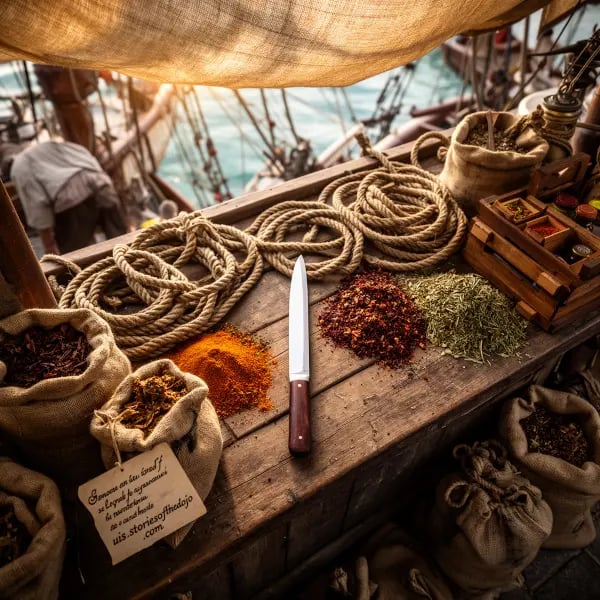
To understand the blade of Genoa you must first lose yourself in the architectural nightmare of the city itself. Genoa was never built for the sunlight as it remains a vertical fortress of stone and a tangle of alleyways where the sun reaches the pavement for only a few minutes a day. In these caruggi life was lived at a different speed. The port was the heart and the camalli or the dockworkers were its muscles. These were men who lived between the law of the sea and the law of the knife. For them a weapon was not a luxury or a symbol of status but a tool as necessary as the hooks they used to move crates of spices and silk. While the rest of Italy was perfecting the art of the rapier or the ritualized duels of honor the Genoese were perfecting the ambush.
The historical reality of this style is rooted in a total lack of ornaments. There are no fancy parries here. There is no en garde position that a gentleman would recognize. Instead there is the infamata or the dirty trick. A man would walk with his hands in his pockets with his fingers already wrapped around a slender piece of steel while waiting for the exact moment when his opponent’s shoulder dropped. The fight was often over before the victim even realized it had begun. This was not because the Genoese were cowards but because they were businessmen of violence. They understood that in a narrow alley the person who strikes first and vanishes into the darkness is the only one who survives to see the da
The Anatomy of a Ghost and the Blade Itself
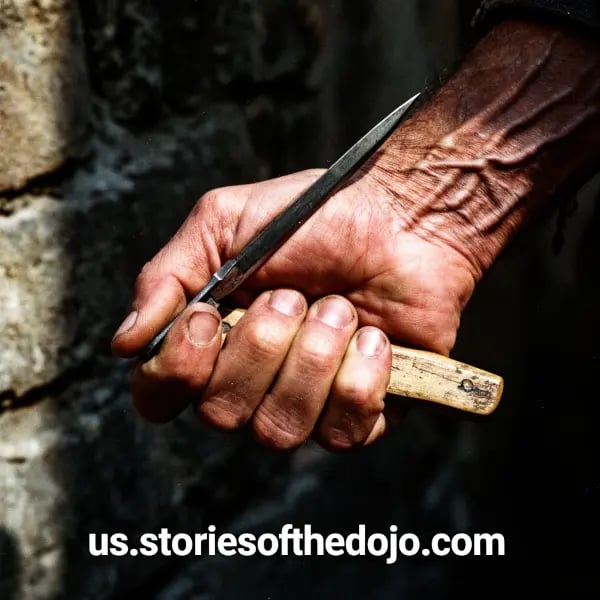
The Genoese knife often called the coltello genovese is a strange and haunting object. If you look at one in a museum today you might mistake it for a simple kitchen tool or a specialized sailor’s instrument. It lacks the crossguard that protects the hand in traditional fencing. This is because a guard is a liability when you need to draw a weapon from under a heavy coat in less than half a second. The guard snags. The guard tells the world you are carrying a weapon. The Genoese blade was designed to be a ghost. It is thin and almost needle like while tapering to a point that can find the gap between ribs with terrifying ease.
The handle is typically made of simple wood or bone shaped to fit the palm in a way that allows for a hidden grip. Many masters of this art would hold the knife with the blade running up the inside of the forearm. This concealment is the cornerstone of the style. From this position the knife is invisible to the opponent until the arm is extended in a punching motion. The strike is not a swing but a piston like thrust. The technical term for this is the sottocosta which means striking from below and aiming for the soft underbelly of the city’s social and physical anatomy. It is a weapon designed for the shadows and meant to be felt before it is seen.
The Secret Schools of the Sottoripa
For hundreds of years you could not find a teacher of this art. There were no gyms or dojos or manuals printed by famous masters. The knowledge lived in the Sottoripa which is the ancient porticoed area in front of the harbor where the sailors and the underworld congregated. It was passed down like a dark inheritance. A father would show his son how to wrap a heavy wool jacket around his left arm to use as a makeshift shield in a technique known as the parata di cappa. A veteran camallo would teach a younger worker how to use a handful of sand or a lit cigar to blind an opponent for the split second needed to deploy the steel.
This was a culture of extreme silence. To talk about the knife was to invite the attention of the Gendarmeria and the Genoese have always had a deep historical distrust of authority. The art survived through codes of the street. There were specific ways to carry the knife that signaled your level of expertise to those in the know. It was a language of gestures. A certain way of leaning against a stone wall or a specific tilt of the hat were the markers of a man who knew how to handle himself in the caruggi. It was a secret society of survivors bound together by the salt of the Mediterranean and the coldness of the blade.
The Technical Brutality of the Movement
If you watch a modern reconstruction of Genoese knife fighting the first thing you notice is the lack of fencing. There is no bouncing on the balls of the feet. The stance is heavy and grounded almost like a wrestler's. This is because on a ship’s deck tossed by a storm or on a wet slippery cobblestone street balance is everything. If you fall you die. The left hand is never passive as it is a claw constantly reaching to grab the opponent's hair or eyes or armed hand. It is a grappling art as much as it is a cutting art.
The movements are incredibly short. In the caruggi you do not have three feet of space to swing a blade. You have inches. Therefore the power comes from the hips and the sudden rotation of the core. The strikes are often aimed at the low targets like the femoral artery or the bladder or the stomach. It is a bottom up system. While an amateur might aim for the chest where the ribs provide a natural cage of protection the Genoese professional goes for the openings that the body cannot defend. It is a grim and clinical approach to violence that reflects the merchant mindset of the city where you seek the maximum result with the minimum effort.
The Technical Brutality of the Movement
If you watch a modern reconstruction of Genoese knife fighting the first thing you notice is the lack of fencing. There is no bouncing on the balls of the feet. The stance is heavy and grounded almost like a wrestler's. This is because on a ship’s deck tossed by a storm or on a wet slippery cobblestone street balance is everything.
If you fall you die. The left hand is never passive as it is a claw constantly reaching to grab the opponent's hair or eyes or armed hand. It is a grappling art as much as it is a cutting art.
The movements are incredibly short. In the caruggi you do not have three feet of space to swing a blade. You have inches. Therefore the power comes from the hips and the sudden rotation of the core. The strikes are often aimed at the low targets like the femoral artery or the bladder or the stomach. It is a bottom up system. While an amateur might aim for the chest where the ribs provide a natural cage of protection the Genoese professional goes for the openings that the body cannot defend. It is a grim and clinical approach to violence that reflects the merchant mindset of the city where you seek the maximum result with the minimum effort.
The Global Impact and the HEMA Renaissance
Today the Genoese style is no longer a secret of the Sottoripa. It has become a subject of intense study for Historical European Martial Arts practitioners across the Atlantic. In the United States martial artists are fascinated by the urban nature of the style. Unlike many Asian martial arts that were designed for the battlefield or the forest the Genoese knife was designed for the concrete and stone of the city. It is the original street art.
This global interest has breathed new life into the tradition. Modern practitioners are testing these ancient techniques against contemporary combat theories and the Genoese style is holding its own. Its focus on concealment and close quarters control and psychological pressure makes it incredibly relevant for modern self defense. But even as it is practiced in bright air conditioned gyms in California or Texas it never loses that original dark scent of the Genoese port. It is a reminder that some things like the fear of a shadow in a dark alley are universal.
IMPORTANT SAFETY & LEGAL NOTICE
Listen up. The techniques, movements, and combat concepts shown in the videos on this site are for demonstration, historical, and cultural purposes only. We are talking about a lethal heritage here, not a backyard game.
The blog us.storiesofthedojo.com and its creators explicitly disclaim any and all liability for any injury, loss, or damage resulting from the misuse or attempted application of the techniques described or shown. If you decide to go out and try this stuff on your own, you are doing so entirely at your own risk. We are not responsible for your choices or your safety.
Martial arts and traditional fencing are serious business. These techniques should always be practiced under the strict supervision of a certified master in a controlled, safe environment. Real skill isn't learned from a screen—it’s forged through discipline and professional guidance. Don't be a statistic. Respect the art, respect the danger, and find a real teacher.
Frequently Asked Questions about Genoese Knife Fighting
What exactly defines the Genoese knife fighting style compared to other Italian traditions? Genoese knife fighting is distinguished by its extreme focus on tight spaces and concealment which is a direct result of its birth in the narrow caruggi alleyways of Genoa. Unlike the southern styles of Puglia or Sicily that might use wider stances and more rhythmic movements the Genoese method is cold and linear and focuses on short piston like thrusts rather than large slashes. The primary goal is to end the confrontation before the opponent even realizes a weapon has been drawn.
Is it true that the traditional Genoese knife has no crossguard? Yes the traditional Genoese blade is almost always guardless because it was designed for rapid deployment from hidden pockets or under heavy maritime clothing. A crossguard would snag on the fabric during a high pressure situation and would also make the weapon more visible to the authorities. The lack of a guard allows for a specific grip where the blade is often held against the forearm for total concealment and surgical precision during a strike.
How did the maritime culture of Genoa influence this martial art? The influence of the sea is visible in the heavy and grounded stance of the practitioners because fighting on a swaying ship’s deck or a slippery wet cobblestone street requires perfect balance. The dockworkers known as camalli developed techniques that integrated grappling and parrying with heavy jackets or caps which were common items in a sailor's daily life. This made the style incredibly pragmatic and stripped of any ornamental or unnecessary movements.
Can I learn the Genoese knife style today in the United States? The art is currently seeing a significant revival through the Historical European Martial Arts or HEMA movement and while it remains a specialized niche there are instructors who teach reconstructed systems based on 19th century police archives and oral traditions. Websites like us.storiesofthedojo.com provide resources for those looking to explore the technical and historical aspects of this urban combat system from a modern perspective.
Was the use of the Genoese knife primarily limited to the criminal underworld? While the knife was certainly a staple of the criminal mala it was also a tool of daily life and a means of self defense for the working class in the port area where the official law often struggled to reach. It was governed by a complex unwritten code of honor among the camalli and the sailors where the blade was used to settle disputes over territory or labor rights when no other justice was available.
Join Our Journey
Explore the secrets of martial arts with us!
Legal Info
storiesofthedojo@yahoo.com